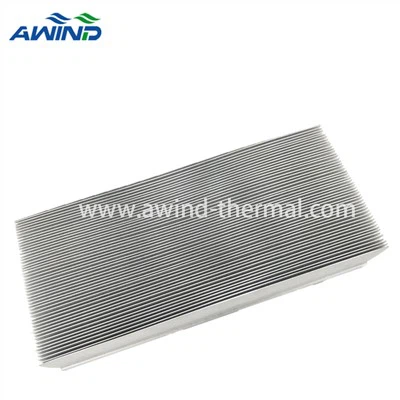
Heat Sink Cooling System: Principles, Types, Materials, and High-Power Thermal Solutions
As electronic devices continue to deliver higher performance, faster response, and higher operating frequencies, thermal management has become a critical challenge. A well-designed heat sink cooling system is essential to maintain stable performance, improve reliability, and extend the service life of electronic components.
This article provides a comprehensive overview of heat sink systems, including working principles, materials, manufacturing processes, and applications-with a focus on high power heat sink solutions.
What Is a Heat Sink System?
A heat sink system is a passive or active heat sink device designed to absorb, transfer, and dissipate heat generated by electronic components such as CPUs, GPUs, power supplies, IGBTs, and other high-power modules.
By efficiently managing heat sink dissipation, the system keeps components within a safe operating temperature range, ensuring performance stability and long-term reliability.
Why Is a Heat Sink Cooling System Necessary?
With increasing demand for high-speed computing, high power density, and continuous operation, electronic devices generate significantly more heat than before.
Without effective heat sink cooling, excessive temperature rise can lead to:
* Performance degradation (e.g. CPU or GPU throttling)
* Reduced efficiency of power modules
* Premature component failure or permanent damage
For this reason, thermal heat sink solutions are a fundamental part of modern electronic system design.

Heat Sink Cooling System Working Principles
A heat sink cooling system operates through multiple heat transfer mechanisms:
1. Heat Conduction
Heat is transferred from the heat source (chip or module) to the heat sink base through heat sink metal materials and thermal interface materials (TIMs). This stage is critical for overall heat sink heat transfer efficiency.
2. Heat Convection
Natural convection: Relies on natural air flow, suitable for low-power applications.
Forced convection: Uses fans or pumps to increase airflow or liquid flow, commonly applied in air cooled heat sinks and liquid cooling systems.
3. Heat Radiation
Thermal radiation contributes to heat dissipation, especially in high-temperature or vacuum environments.
Key Components of a Heat Sink System
* Heat Sink
Base plate: Directly contacts the heat source, typically made of aluminum or copper for high thermal conductivity.
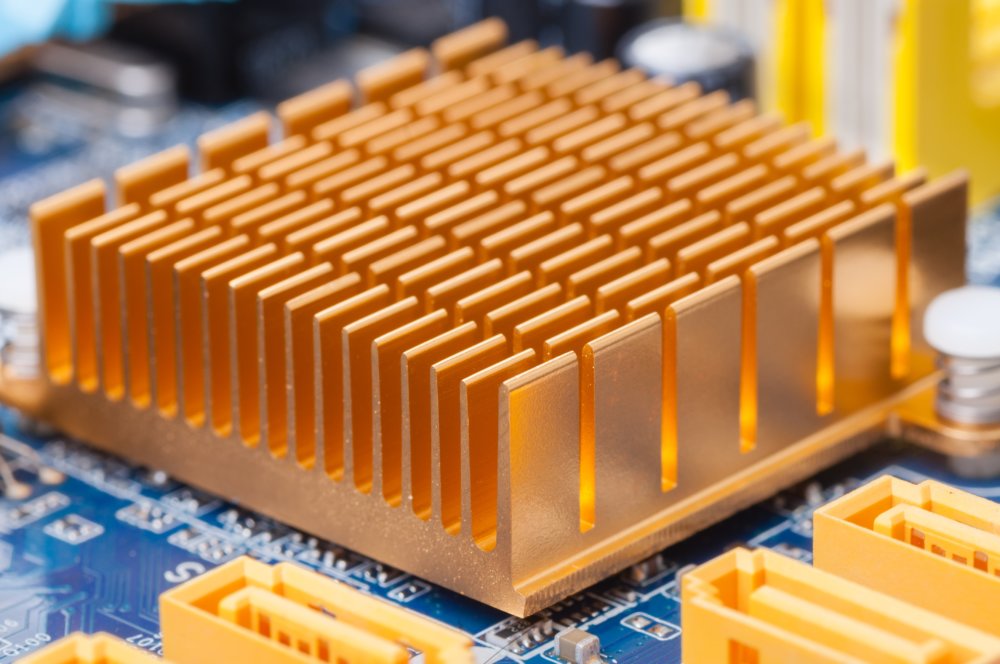
Heat sink with fins: Increases surface area and improves airflow efficiency.
*Thermal Interface Materials (TIMs)
Thermal grease, phase-change materials, thermal pads, or liquid metal enhance contact and reduce thermal resistance.
*Cooling Medium
Air (air cooled heat sink)
Liquid (water or oil in liquid cooling systems)
Phase-change fluids (used in heat pipes and vapor chambers)
*Auxiliary Devices
Heat sinks and fans, pumps, and control systems improve cooling efficiency in active designs.
Types of Heat Sink Cooling Systems
Passive Heat Sink
Passive heat sinks have no moving parts and rely on natural convection and radiation.
They are suitable for low-power electronics and LED lighting applications, such as aluminum extruded heat sinks used in downlights.

Active Heat Sink
Air-Cooled Heat Sink
An air cooled heat sink uses fans to force airflow through fins.
Key design considerations include: Fin density and spacing (to balance airflow and heat transfer),Fan noise and power consumption,Overall heatsink power handling capability

Liquid-Cooled Heat Sink
Liquid cooling systems use cold plates to absorb heat directly from the source. Circulating liquid removes heat efficiently, making this solution ideal for high power heat sink and heat sink power supply applications.
Phase-Change Heat Sink
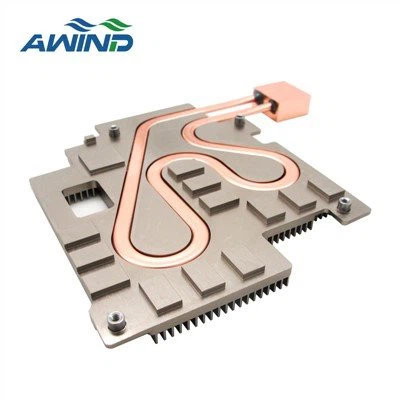
Heat pipes and vapor chambers utilize phase-change working fluids to achieve highly efficient heat transfer. These solutions are ideal when space is limited and heat needs to be spread to a larger cooling area.
Hybrid and Advanced Heat Sink Designs
Modern thermal solutions often combine multiple technologies, including:
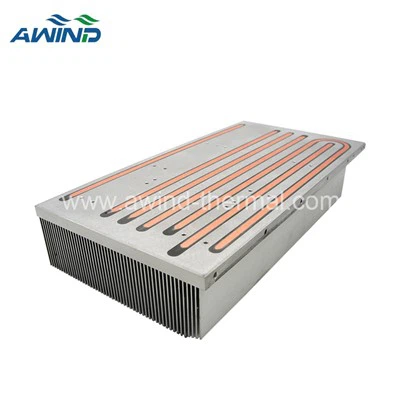
Heat pipe + fin stack combinations
Micro-channel cold plates
Thermoelectric cooling (TEC) integration
Bonded heat sink and brazing heat sink structures for enhanced thermal performance
These approaches are widely used when designing heat sinks for demanding applications.
Heat Sink Materials
Material selection is driven by thermal conductivity, manufacturability, and cost.
Aluminum Heat Sink
Lightweight and cost-effective
Easy to process using heat sink aluminium extrusion and heatsink extruded methods,Widely used in power electronics and LED cooling
Copper Heat Sink
Extremely high thermal conductivity,Higher weight and cost,Used in full copper heatsink or copper aluminum heat sink hybrid designs for maximum performance
Heat Sink Manufacturing Processes
Common processes used to manufacture heat sinks include:
Stamping
Each process offers different advantages depending on thermal requirements, size constraints, and cost targets.
Applications of Heat Sink Cooling Systems
Heat sink systems are widely used across industries, including:
* Consumer Electronics: CPU and GPU cooling
* Industrial & Energy: IGBT modules, photovoltaic inverters, power supply heat sink solutions, optical modules
* LED Lighting: High-power LED thermal management
* Aerospace: Satellite thermal control systems
* Automotive Electronics: EV motor controllers and battery thermal management
*High-Performance Computing & Medical Equipment: Server liquid cooling and precision devices
*Power & Smart Grid: Renewable energy and intelligent power systems
Custom Heat Sink Design & Thermal Simulation
If you already have a cooling concept or technical requirements, you can share them with AWIND.
Our engineering team provides professional recommendations based on your heat sink cooling system needs.
If you do not yet have a finalized design, we can support you with: Custom heat sink system design, Thermal simulation and optimization, High-power and power supply heat sink solutions.
Hot Tags: heat sink cooling system, China, suppliers, manufacturers, factory, customized, free sample, made in China, AL Extrusion Heat Sink, Bonded Fin Heat Sinks Assemblies, Folded Fin Heat Sink