Applications of Heat Sinks in the AI Domain
With the rapid advancement of Artificial Intelligence (AI) technology, AI servers and high-performance computing devices have increasingly demanding requirements for thermal management. Traditional cooling solutions, such as air-cooled heat sinks, heat pipes, and vapor chambers, have struggled to meet the cooling needs of modern high-power devices. Consequently, advanced cooling technologies, including 3D-VC heat sinks and liquid-cooled cooling systems, have found widespread application in the AI sector. This article explores the application and significance of heat sinks in the AI domain.
The Role of 3D-VC Heat Sinks in AI Servers
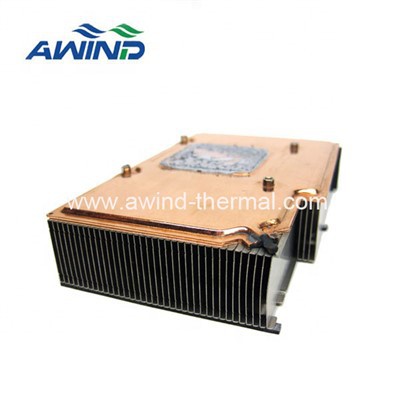
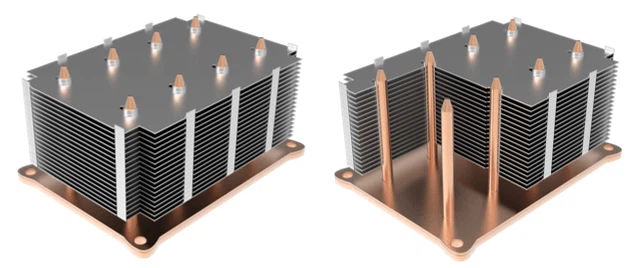
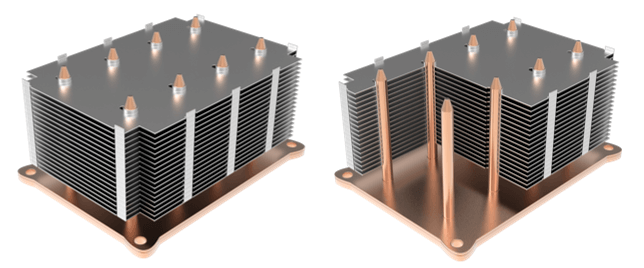
The 3D-VC (3D Vapor Chamber) heat sink is an advanced cooling technology that combines the designs of vapor chambers and vertical condenser pipes (heat pipes). It uses multiple open heat pipes brazed onto a vapor chamber with corresponding holes, enabling direct contact with the heat source. Heat is uniformly distributed along the XY plane and conducted to the fins through vertical heat pipes for more efficient cooling.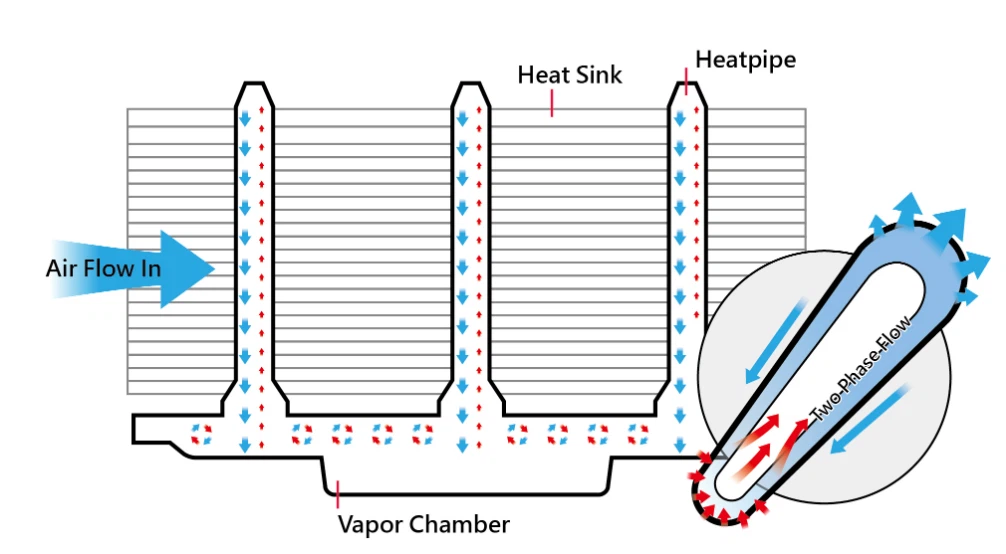
The application of 3D-VC heat sinks in AI servers is particularly crucial. AI servers typically equip multiple GPU chips, each requiring efficient cooling to ensure system stability and performance. The 3D-VC heat sink, through its combination of a vapor chamber and vertical heat pipes, rapidly conducts and dissipates heat, ensuring each GPU chip operates at optimal temperatures. This efficient cooling solution not only enhances the overall performance and stability of the server but also drives the development of high-performance computing.
According to market research firm TrendForce, AI server shipments are projected to grow at a compound annual growth rate of 10.8% from 2022 to 2026. With the continuous expansion of AI applications, the demand for efficient cooling solutions in AI servers will continue to increase, providing significant opportunities for the widespread application of 3D-VC heat sinks in the market.
Liquid Cooling in Data Centers
Liquid cooling is another advanced cooling technology widely applied in the AI domain. Compared to air cooling, liquid cooling offers higher thermal conductivity and specific heat capacity, with greater heat capacity per unit volume and stronger heat absorption capabilities. Therefore, liquid cooling demonstrates significant advantages in AI servers and high-performance computing devices.
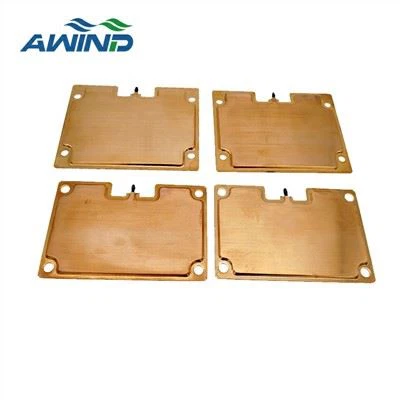
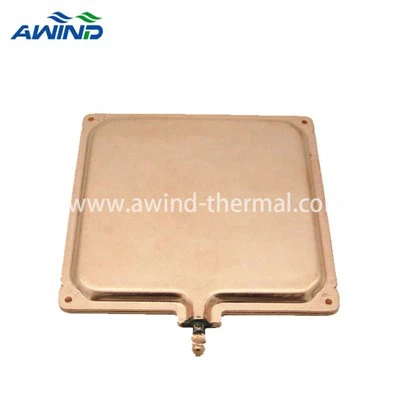
Liquid cooling primarily includes cold plate, immersion, and spray types. Cold plate cooling uses micro channel heat transfer enhancement technology, offering the highest cooling performance and currently being the most mature technology. Immersion and spray cooling achieve 100% liquid cooling with superior energy-saving effects. However, immersion and spray cooling have higher material compatibility and retrofitting costs, making cold plate cooling the dominant technology in the current market.
With the substantial increase in server chip power consumption and the rise in data center cabinet power density, the advantages of liquid cooling system in terms of cooling capacity and economy are increasingly evident. Liquid-cooled data centers can significantly reduce energy consumption and electricity expenses while enhancing the value of cooling systems in infrastructure. Under green and low-carbon goals, liquid-cooled cooling has become the primary direction for future data center cooling technology.
The Application of AI Technology in Heat Sink Design
Beyond traditional and emerging liquid cooling technologies, AI technology also plays a crucial role in heat sink design. Through big data analysis and machine learning, AI enables designers to more accurately predict heat distribution and optimize material selection and structural design.
Utilizing deep learning algorithms, AI can process vast amounts of data related to heat sink performance, generating more complex and efficient cooling models. For instance, designers can use Generative Adversarial Networks (GANs) to simulate the thermal response of different heat sink designs, iteratively improving designs through continuous refinement to ultimately create high-performance cooling solutions. This method enhances design efficiency and reduces experimental costs.
Furthermore, AI technology provides real-time monitoring and dynamic adjustment during the actual use of heat sinks. By embedding intelligent sensors, heat sinks can capture real-time temperature change data from the operating environment and analyze it using AI for dynamic adjustments. This adaptive mechanism not only improves cooling efficiency but also reduces energy consumption, aligning with today's demands for energy conservation and emission reduction.
Conclusion
The application of heat sinks in the AI domain is crucial. As AI technology continues to evolve, AI servers and high-performance computing devices have increasingly stringent requirements for thermal management. Advanced cooling technologies, such as 3D-VC heat sinks and liquid-cooled cooling systems, have found widespread application in the AI sector, demonstrating significant advantages. Simultaneously, AI technology plays a pivotal role in heat sink design, enhancing design efficiency and cooling performance. In the future, with continuous technological advancements and innovations, we can anticipate the emergence of more efficient and intelligent cooling solutions, providing robust support for the development and proliferation of AI technology.
Hot Tags: applications of heat sinks in the ai domain, China, suppliers, manufacturers, factory, customized, free sample, made in China, Heat Pipe Heat Sink, Vapor Chamber Heatsink, Ultra Thin Vapor Chamber Heatsink, Bonded Heat Sink, Vc Heat Sink, Cold Forged Heat Sink