Will power transformers overheat?
If the transformer is overloaded, poorly cooled, or encounters insulation faults, the transformer may overheat, causing it to generate more heat than it emits. If the temperature rises too high, it may cause damage
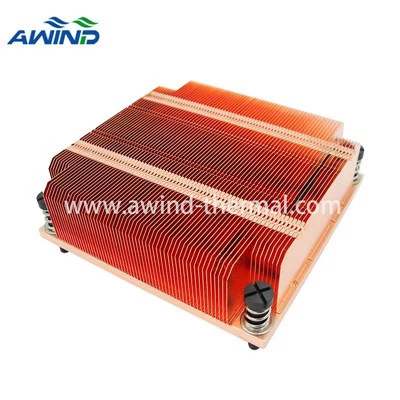
In power transformers, heat sinks are used to dissipate the heat generated by internal losses, prevent excessive temperature rise, and ensure normal operation by effectively transferring heat to the surrounding environment, thereby extending the life of the transformer; They are particularly important in high-power transformers that may generate a large amount of heat.
Power transformer heat sinks
Function: Increase the surface area for heat dissipation, allowing the generated heat to be more effectively transferred to the surrounding air.
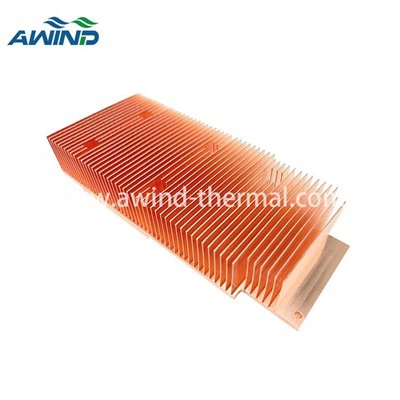
Material: The heat sink of a transformer is usually made of high thermal conductivity materials such as aluminum or copper to maximize heat transfer efficiency.
Fins: In order to further enhance heat dissipation, heatsinks usually have fins, which can increase the heat dissipation surface area of the fins in the air.
Cooling method: The heatsink can be passively cooled (relying on natural convection) or actively cooled by a fan to improve the heat dissipation effect in high-power applications.
Surface treatment: In order to increase the heat dissipation efficiency of the heat sink, the surface is usually treated with anodizing or coating to increase the surface area and improve the thermal radiation characteristics.

Why are heat sinks installed as a case of power transformers?
1. Improve heat conduction efficiency
Heat is transferred from the inside to the outside: When the transformer is working, the core and winding will generate heat due to the flow of current. These heats are usually transferred through the metal casing of the transformer. The heat sink is installed as the case, which can increase the contact area and make the heat conduction on the surface of the housing more efficient, thereby allowing the heat to dissipate more quickly into the air.
The outer shell serves as a thermal conduction medium: The outer shell of a transformer is usually made of a good thermal conductive material (such as aluminum), which can effectively conduct the heat generated inside to the external heat sink, and further remove the heat through air flow.
2. Utilize natural convection and fan cooling
Natural convection: The heat sink on the transformer casing can utilize the principle of natural convection to transfer heat to the surrounding air through contact with the air. When the air is heated and becomes thinner, it will naturally rise, and the surrounding cold air will flow in to replace it, taking away the heat. This heat exchange process can also work effectively without external forced air flow such as fans.
Forced convection: In some large transformer systems, heat sinks can also be used in conjunction with fans to increase air flow velocity and accelerate heat dissipation. If the heat sink is installed on the transformer housing, the fan can directly blow towards these heat sinks, further improving the heat dissipation effect.
3. Protect internal components
Prevent overheating: If important components such as the core and winding inside the transformer are exposed to high temperatures for a long time, it may cause insulation material aging and even lead to transformer failure. Installing heat sinks on the casing can help reduce the temperature of the casing, thereby protecting the internal components of the transformer and preventing overheating.
Extend service life: By effectively dissipating heat and maintaining the working temperature of the transformer within a reasonable range, the service life of the transformer can be significantly extended, reducing the occurrence of equipment failures.
4. The shell helps enhance the thermal radiation of the heat sink
The casing serves as a radiation source: The transformer casing itself also plays a role in thermal radiation, and the heat dissipated through the casing can be further increased by the expansion surface of the heat sink. When the temperature of the shell rises, it also transfers heat to the surrounding environment through radiation, and the heat sink increases the surface area of this radiation process, thereby improving the heat dissipation efficiency.
Surface treatment of heat dissipation fins: Sometimes, special treatments (such as spraying heat dissipation coatings or anodizing) are applied to the surface of the shell and heat dissipation fins to further improve their thermal radiation and thermal conductivity performance.
5. Save space and reduce costs
Structural optimization: Installing heat sinks on the casing can effectively save internal space, as it does not need to occupy the gaps inside the transformer. The internal space of transformers is usually limited, and installing heat sinks on the casing can avoid excessive interference between internal components.
Simplified design and manufacturing: By directly installing heat sinks on the casing, the design and manufacturing of transformers will become more convenient, as the casing itself, as part of the structure, can be directly integrated with the heat dissipation system, reducing additional structural design and manufacturing costs.
6. Easy to maintain and inspect
Easy to observe and clean: If the heat sink is installed on the housing, the operator can easily inspect and clean the heat sink. Excessive dust or dirt may affect the heat dissipation effect, so quickly checking the condition of the external heat sink and cleaning it can maintain the efficiency of the heat dissipation system.
Temperature detection: By monitoring the temperature of the casing and the surface temperature of the heat sink, the operating condition of the transformer can be effectively understood, and potential overheating problems can be detected in a timely manner.
Hot Tags: heatsink as the case of power transformers, China, suppliers, manufacturers, factory, customized, free sample, made in China, Folded Fin Heat Sink, AL Extrusion Heat Sink