The difference between LED lighting and other lighting is that when using LEDs, heat is generated by the LED device itself. The increase of internal working temperature will not have a negative impact on your growth plant environment. However, they may affect the overall life of the LED equipment.
The best way to solve this problem is to use a heat sink. Most LED lights have built-in heat sink.
What is Junction temperature and thermal resistance?
Junction Temperature is the actual working temperature of semiconductor in electronic equipment. In operation, it is usually higher than the case temperature, and the junction temperature is the internal temperature of the LED lamp.
Thermal resistance: the ratio between the temperature difference between the two ends of the object and the power of the heat source when there is heat transmission on the object.
The thermal resistance determines the temperature and speed of the LED. Higher thermal resistance will lead to higher internal temperature, which will make your LED light go out. High power LED can easily reach high junction temperature.
Many factors will affect the junction temperature
Lamps that operate 24 hours a day naturally produce higher junction temperatures than lamps that are occasionally used.
The ambient temperature of the room itself will also cause the fluctuation of the junction temperature. Although you can manage these factors, your lamp will eventually need additional help to dissipate heat effectively.
Thermal management:controlling the thermal resistance to control the junction temperature ,which is critical to the life of LED lighting. This is where the heat sink comes into play.

What is a plant-growth heatsinks?
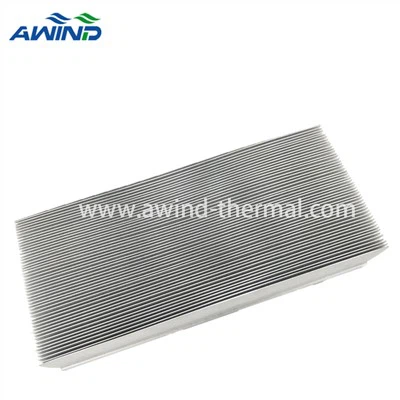
The plant-growth led heatsinks is made of metal and placed in the growth lamp.
The heat sink absorbs the heat generated by the growth LED and radiates it back to the surrounding air. (The air around the heatsinks absorbs heat and becomes hot air. Then the hot air rises and the cold air drops, forming air convection, so as to achieve heat dissipation.)
This ensures that the junction temperature is relatively stable and at the optimal temperature. This prevents overheating and benefits the overall life of the LED lamp.
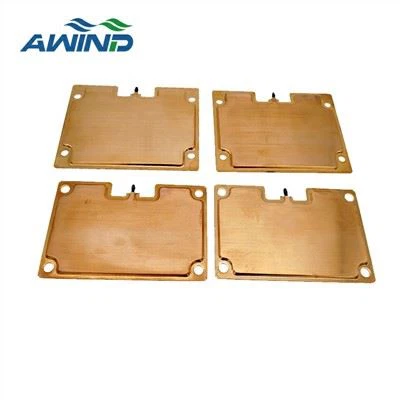
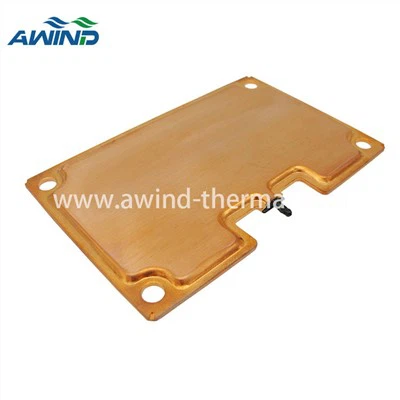
There are different types of heatsinks on the market, which are usually subdivided by materials (such as aluminum heatsink and copper heatsink) or processes (such as skiving fins heatsink, aluminum extruded heatasinks, etc.).
What material is the best heatsink?
Most LED lamps use aluminum, because aluminum has good heat dissipation and is easy to manufacture.
Copper is also used for critical applications, but it is much more expensive.
Is the weight of the plant-grwoth led light heatsinks important?
Generally, the more materials used in theheatsink the higher the cooling efficiency. High quality LED growth lights will use heavy duty aluminum heatsinks radiators, which make up most of the weight of the growth lights. When choosing a high-quality growth lamp, weight is very important!
So why do you need a plant-grwoth led light heatsinks?
High junction temperature has a gradual but significant effect on growth LED lamps. In the long run, if there is no proper thermal management, the light attenuation of the lamp will also be affected, which may cause some harm to your plant growth.
When the junction temperature is always too high, the LED will emit fewer photons and change its output wavelength. Therefore, plant lighting will no longer provide the spectrum of its propaganda.
Every grower should ensure that the heatsink is effective in cooling and extending the life of the equipment.
If you have any questions about the heatsinks of the plant-growth light lamp, please feel free to contact us.

Hot Tags: plant-growth led light heatsinks, China, suppliers, manufacturers, factory, customized, free sample, made in China, Copper Skived Heat Sink